
When an old dog starts shaking while breathing, it can be frightening to watch and hard to ignore.
This combination of symptoms often points to discomfort, breathing difficulty, or a deeper medical issue rather than simple aging.
Table of Contents
Old Dog Shaking When Breathing: Why It Happens
An old dog shaking when breathing usually indicates that breathing itself has become stressful or uncomfortable for the body.
As dogs age, conditions affecting the heart, lungs, muscles, nerves, or pain perception can make each breath harder to take.
Shaking may occur as muscles strain to breathe, oxygen levels fluctuate, or pain and anxiety set in. This symptom combination should always be taken seriously, especially when it appears suddenly or worsens over time.
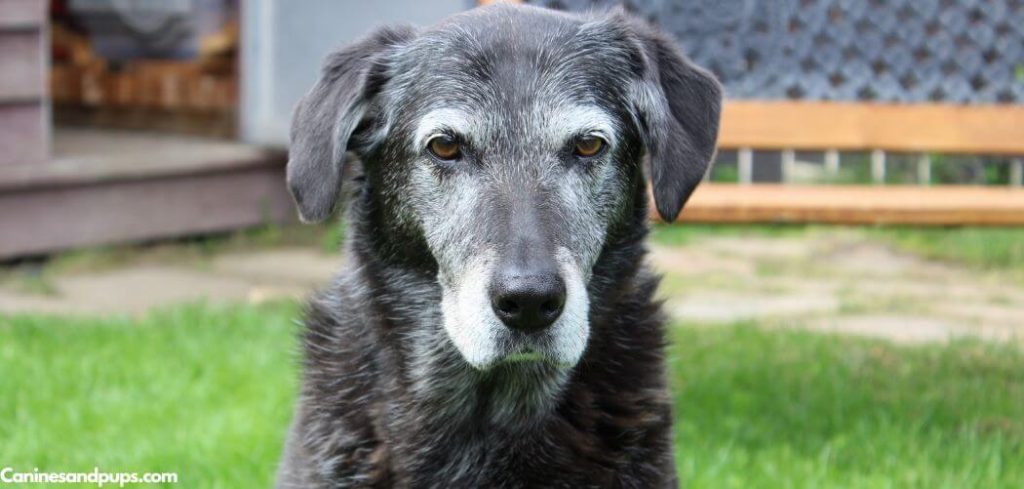
Old Dog Shaking When Breathing: Symptoms
Signs of shaking while breathing in an older dog include:
Visible trembling or shaking with each breath
Labored or rapid breathing
Panting even at rest
Wheezing, coughing, or noisy breathing
Weakness or reluctance to move
Pale or bluish gums in more severe cases
Old Dog Shaking When Breathing: Common Causes
Heart Disease or Heart Failure
Heart disease is a leading cause of breathing-related shaking in senior dogs.
When the heart cannot pump efficiently, oxygen delivery decreases and fluid may build up in or around the lungs. Breathing becomes physically demanding, causing chest and abdominal muscles to shake with effort.
Dogs may also cough, tire easily, or appear anxious, especially at night or when lying down.
Related: Old Dog Heart Murmur Life Expectancy
Lung Disease
Age-related lung changes make breathing harder. Chronic bronchitis, lung scarring, tumors, or airway inflammation reduce the lungs’ ability to expand fully.
As breathing becomes less efficient, dogs may tremble as respiratory muscles work harder.
Wheezing, coughing, exercise intolerance, or blue-tinged gums may accompany this condition.
Pain Affecting the Chest or Abdomen
Pain can cause shaking during breathing. Arthritis in the spine or ribs, chest injuries, abdominal inflammation, or internal organ pain can make each breath uncomfortable.
Shaking may be the body’s response to pain rather than cold or fear.
Dogs with pain-related breathing issues often seem guarded, tense, or unwilling to move or lie down.
Anxiety
Difficulty breathing can create panic in older dogs. When breathing feels restricted, dogs may shake due to fear and stress.
Anxiety increases breathing rate, which further worsens shaking and creates a cycle of distress. This is especially common in dogs with underlying heart or lung disease.
Muscle Weakness
Aging weakens breathing muscles. As muscles lose strength, especially those involved in respiration, dogs may shake simply from the effort of breathing.
This is more noticeable during rest, sleep, or after mild activity. Weakness may also affect posture, causing trembling in the chest or abdomen.
Neurological Disorders
Nerve problems can disrupt breathing control. Conditions affecting the brain, spinal cord, or nerves can interfere with coordination of breathing muscles. This may lead to irregular breathing patterns accompanied by shaking or tremors.
Neurological causes often worsen gradually and may be paired with balance issues, weakness, or changes in behavior.
Related: Old Dog Neurological Problems (Signs, causes and treatment)
Low Oxygen Levels
Insufficient oxygen stresses the body. When oxygen levels drop, the body compensates by increasing breathing effort.
Shaking may occur as muscles work harder to meet oxygen demands. This can happen with heart disease, lung disease, anemia, or circulation problems.
Fever
Illness increases metabolic demand. Fever, infection, or systemic inflammation raises oxygen needs and breathing rate.
Shaking may appear as the body struggles to regulate temperature and oxygen delivery. Lethargy, appetite loss, or warmth to the touch may also be present.
What to Do
Keep your dog calm and minimize movement to reduce breathing strain.
Ensure the environment is cool, quiet, and well-ventilated, as heat and stress worsen respiratory symptoms.
Position your dog comfortably, often with the head slightly elevated, to ease airflow.
Monitor breathing rate, gum color, and overall alertness closely while avoiding exertion.
Do not administer human medications or force activity, as this can worsen the condition.
When to Call or Visit Your Vet
Contact your veterinarian immediately if shaking and breathing difficulty appear suddenly or worsen rapidly.
Seek urgent care if breathing is labored, gums appear pale or bluish, or your dog cannot rest comfortably.
Veterinary attention is critical if symptoms are paired with coughing, collapse, weakness, fever, or loss of consciousness.
Old Dog Shaking When Breathing: Treatment
Treatment focuses on stabilizing your dog and identifying the underlying cause. Oxygen therapy may be given immediately if breathing is compromised.
Your vet may perform diagnostics such as X-rays, bloodwork, or heart evaluation to check for conditions like respiratory infections, heart disease, or fluid buildup. Treatment can include medications such as bronchodilators, antibiotics, diuretics, or pain relief depending on the cause.
In more serious cases, hospitalization and close monitoring are required. Prompt veterinary care is critical, as breathing-related symptoms can quickly become life-threatening.
Key Takeaway
Shaking when breathing in an old dog is never something to ignore. It often signals that breathing has become physically demanding due to heart disease, lung issues, pain, or muscle weakness associated with aging.
Early veterinary evaluation can make a significant difference in comfort and outcome.
With proper diagnosis and management, many dogs can breathe easier and enjoy a better quality of life during their senior years.


